How to Choose the Right Everyday Handbag Size for Work, Errands, and Weekends

Ordering a handbag online often fails for one predictable reason: photos show silhouette proportions, yet silhouette alone rarely reveals usable interior volume. Two bags listed with a twelve-inch width can behave completely differently once you load a phone, keys, sunglasses case, cosmetics pouch, and insulated tumbler inside. Stiff gussets, recessed top zippers, and curved crescent corners all reduce actual opening clearance compared with flat exterior measurements.
Rather than guessing between small, medium, and large labels, the most reliable way to pick an everyday carryall is to audit what you genuinely carry four or five days a week and match those items against four objective numbers: interior width clearance, base gusset depth, strap drop length, and empty bag weight. Below is a clear, step-by-step sizing method tailored for commuters, remote workers, and weekend travelers across the United States.
Start With a Flat-Lay Audit of Your Core Essentials
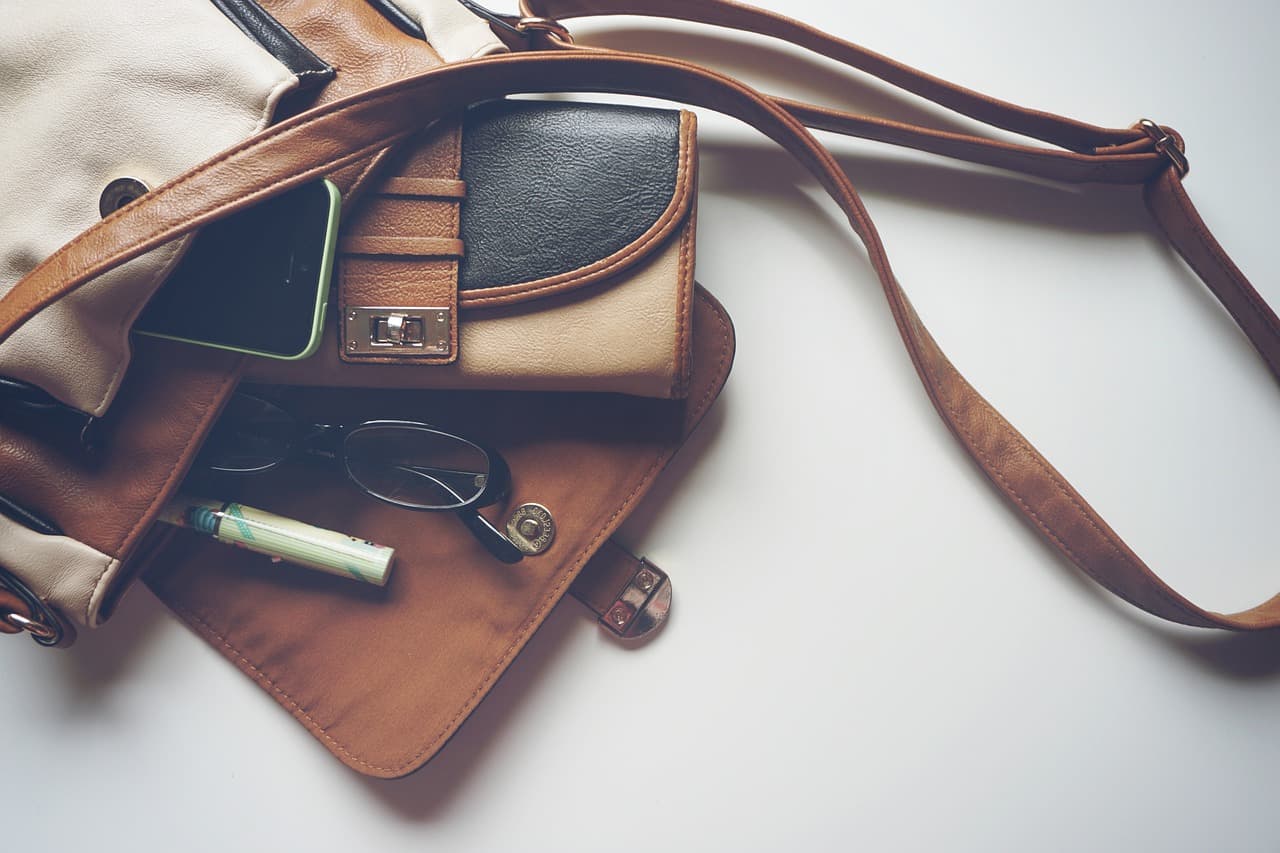
Empty the bag you reached for most over the past two weeks onto a dining table or desk. Separate items that travel with you every single day from occasional extras that stayed at the bottom by habit. Group your true daily items into a neat rectangle on the table and measure the length, height, and stacked thickness with a standard tape measure.
Add at least 1.5 inches to the measured width and 1.0 inch to the height so your hand can reach in and retrieve items without scraping against zipper teeth. If your flat-lay includes a rigid object—such as a hard-shell eyeglasses case, e-reader, or laptop—treat its diagonal and corner-to-corner width as non-negotiable minimum clearance.
Three Everyday Load Profiles
Most shoppers fall naturally into one of three load profiles depending on transit habits and workday gear:
- Minimalist Hands-Free Carry (Width 7.5–9.5 in, Depth 2.0–3.0 in): Ideal when you carry a smartphone in a protective case, slim cardholder, lip balm, compact keys, and wireless earbuds.
- Mid-Size Daily Flex (Width 10.5–13.0 in, Depth 3.5–4.5 in): Accommodates an 11-inch tablet or paperback book, sunglasses case, small umbrella, sanitizer, and charger pouch without looking bulky at dinner.
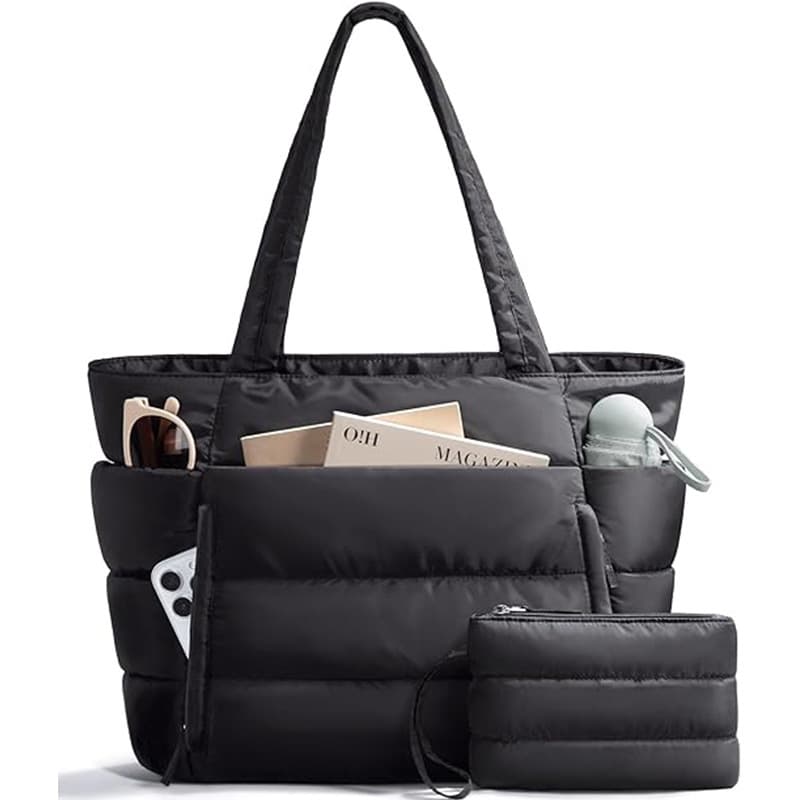
- Full Workday Carryall (Width 14.5–17.0 in, Depth 5.0–6.5 in): Required for 13-inch to 16-inch laptops, power bricks, notebook, cosmetic organizer, and a 16-ounce water bottle.
How to Read Width, Height, Gusset Depth, and Zipper Clearance
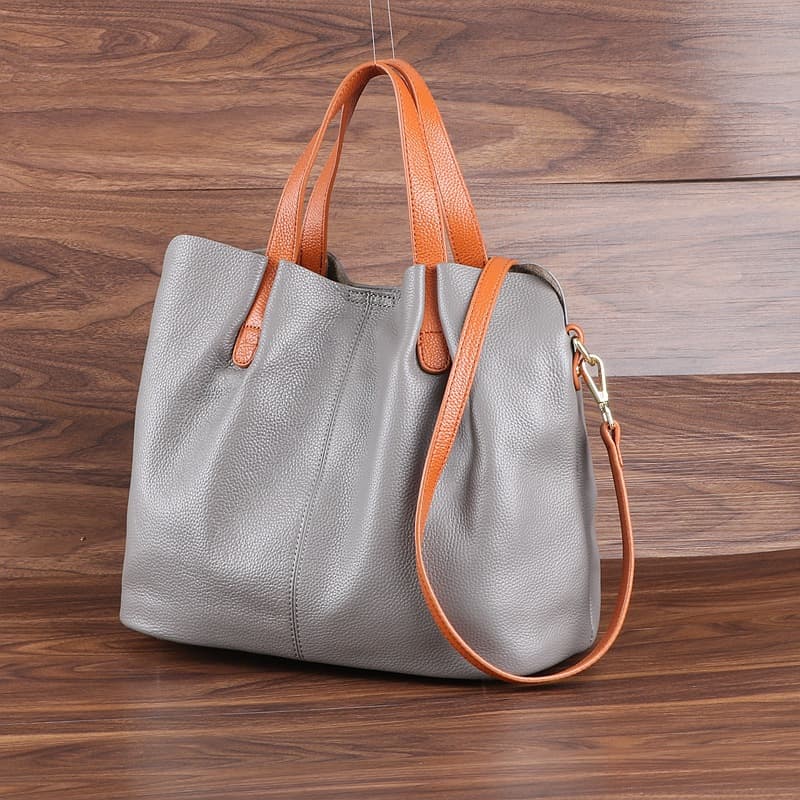
Product specification tables typically list Width × Height × Depth in inches or centimeters. On tapered totes and slouchy hobo bags, check whether width is measured across the flat bottom base or the flared top opening. A tote with a 15.5-inch top opening may narrow to 12.5 inches at the base; a 14-inch laptop will rest halfway up the sidewalls unless the bottom seam itself is wide enough.
Top-zip closures also narrow usable entry space by roughly one inch on each side unless the zipper tape extends past the gusset as a drop-tail tailpiece. Magnetic snap totes offer faster wide-mouth access for notebooks and scarves, whereas full-zipper tops provide stronger security on subways, rideshares, and airport security belts.
Why Base Gusset Depth Changes Everything
Gusset depth—the front-to-back panel at the bottom of the bag—controls whether items sit side-by-side or pile vertically. Narrow envelope bags under 2.5 inches deep stay sleek against the hip but bulge visibly if you pack a round charger block or thick wallet. A 4.0-inch to 5.5-inch structured base lets your pouch, sunglasses, and wallet stand upright so you can spot everything at a glance.
Matching Strap Drop Length to Your Frame and Seasonal Layers
Strap drop measures the vertical distance from the center apex of the handle down to the top rim of the bag. A shoulder strap that feels effortless over a summer cotton tee in August can pinch awkwardly under the arm once you layer a wool coat or quilted puffer jacket in November.
Practical Strap Drop Benchmarks
Use these vertical drop ranges to predict how a bag will sit on the body before checkout:
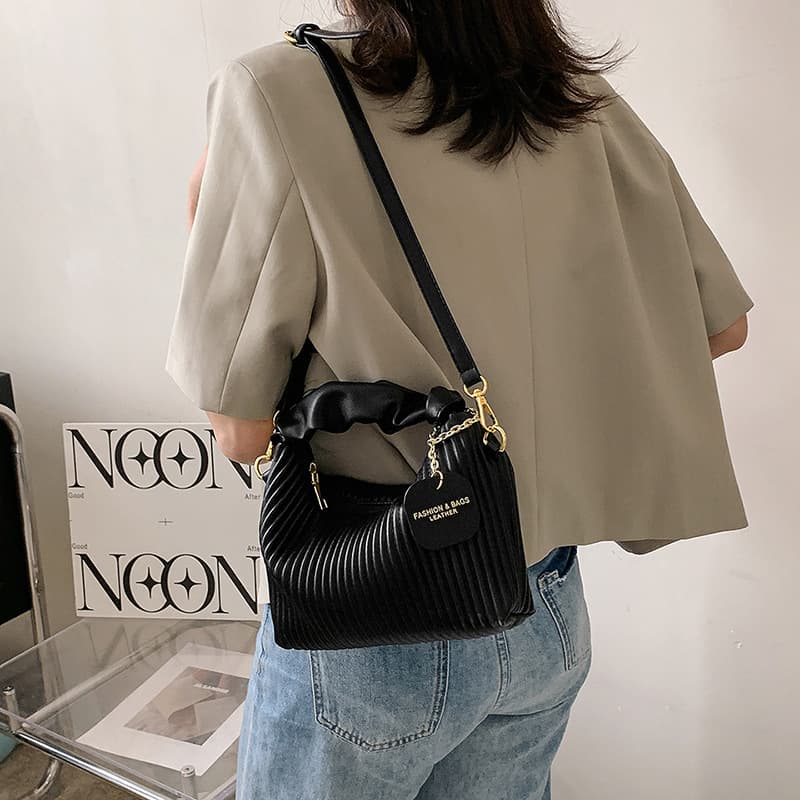
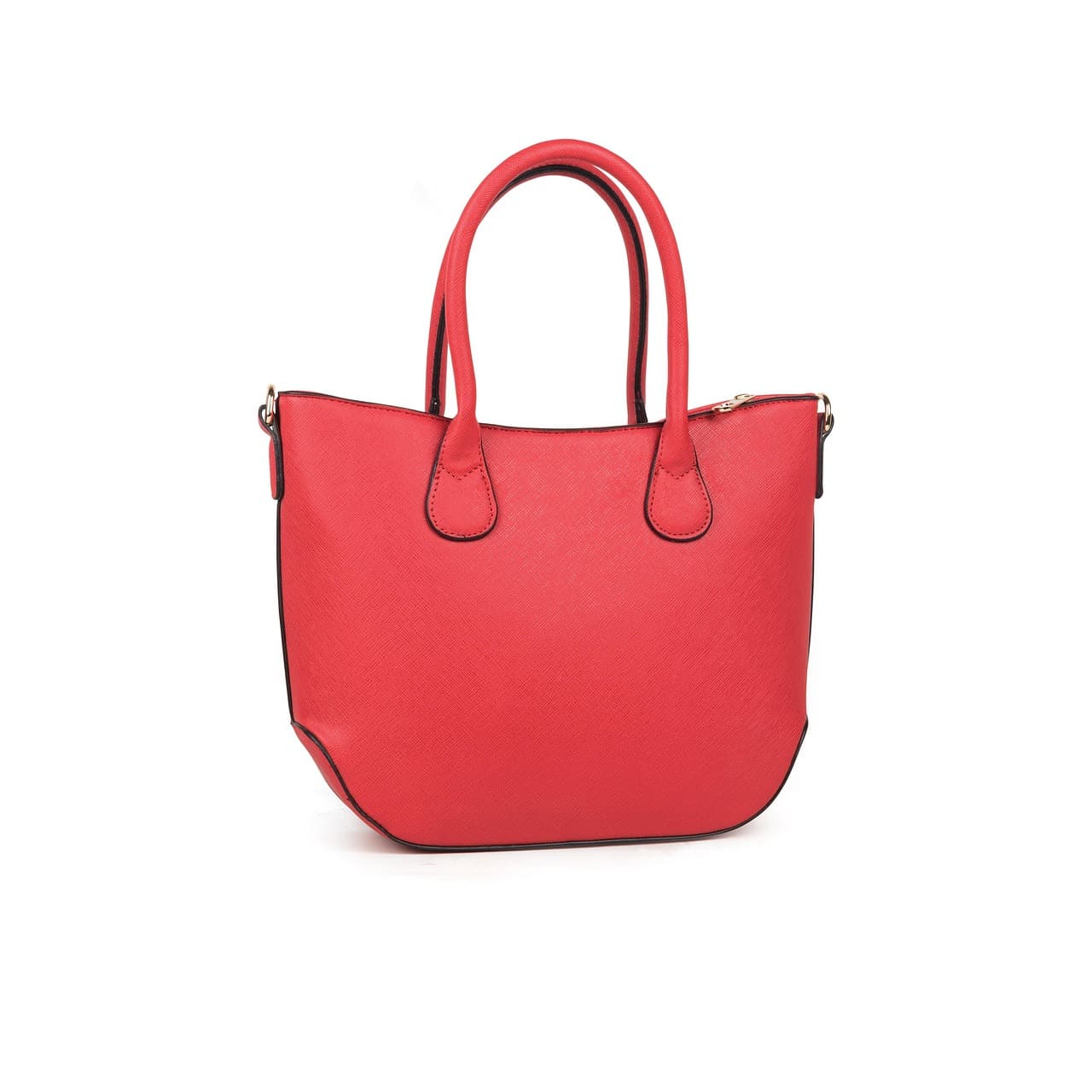
- Top-Handle & Crook-of-Arm Carry (4.0–6.5 in drop): Designed for hand carry or resting on the forearm; look for a detachable long strap if you need hands-free flexibility while shopping.
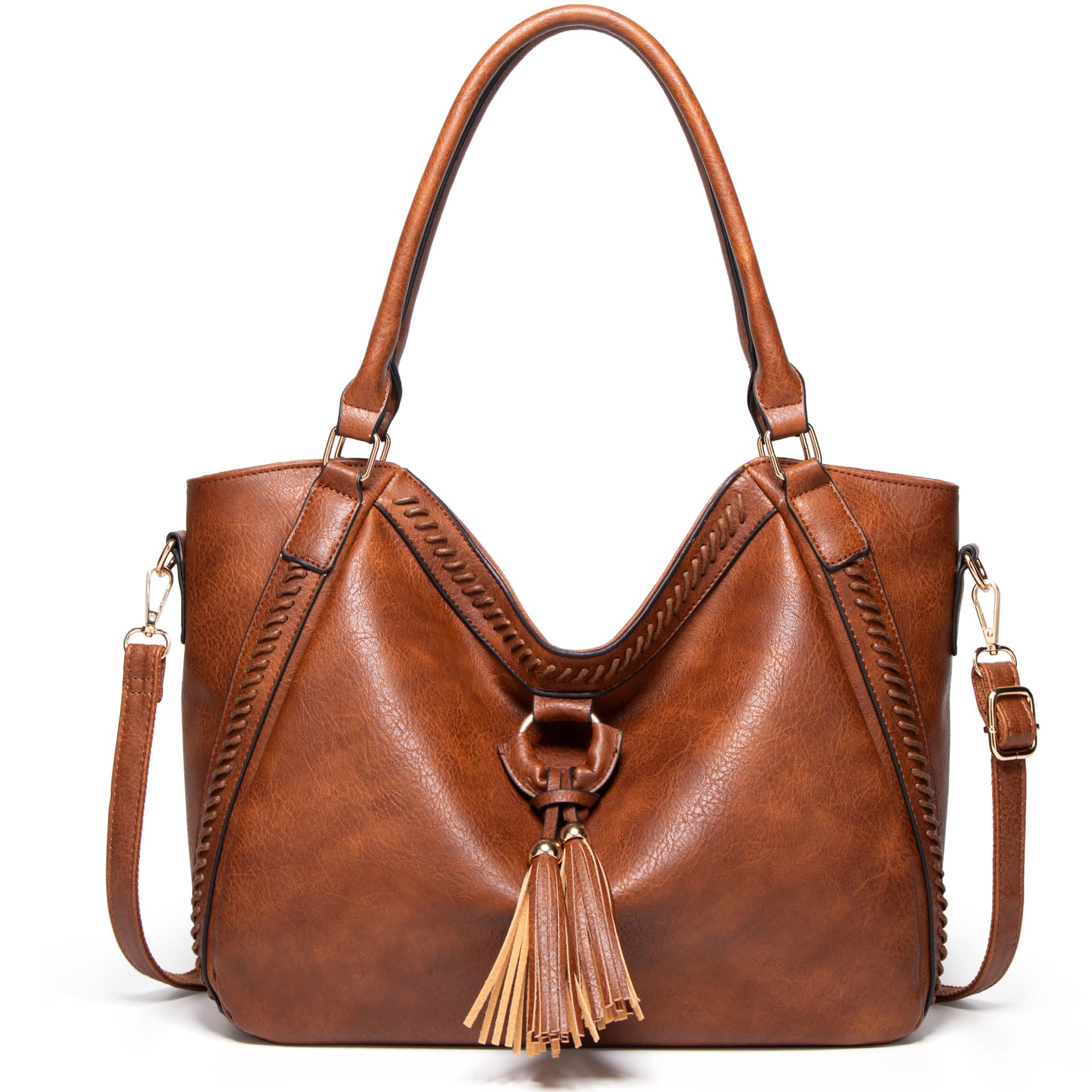
- Underarm Shoulder & Hobo Carry (8.5–11.5 in drop): Classic tucked-under-the-arm profile; aim for 10 inches or more if you regularly wear structured blazers or winter outerwear.
- Crossbody & Hip Carry (19.0–24.0 in adjustable drop): Lets the bag rest comfortably between the natural waist and upper hip across varying heights and torso lengths.
Factoring Empty Bag Weight Into All-Day Shoulder Comfort
Before falling for heavy chain hardware or thick multi-pocket dividers, check the empty weight listed in the specifications panel. A bag that weighs 2.4 pounds empty will climb past 6.5 pounds once you add a laptop, phone, keys, and bottle—putting concentrated pressure on one trapezius muscle during a twenty-minute walk.
If you commute on foot, Featherweight quilted nylon totes and soft pebble-grain vegan leather silhouettes under 1.3 pounds keep total carry load manageable, especially when paired with wide 1.25-inch to 1.75-inch straps that distribute weight evenly rather than digging into the collarbone.
Test Fit Peacefully at Home Before Removing Tags
Choosing the right handbag size comes down to honest daily habits rather than aspirational minimalism or oversized just-in-case packing. Measure your core daily flat-lay, verify base width and gusset depth, and leave an extra inch of strap drop for cold-weather outerwear.
When your order arrives from Mountain Shop, leave all original hangtags, protective hardware films, and dust bags intact while testing your clean laptop, phone case, and wallet indoors in front of a mirror. Unused handbags in original condition remain eligible for return within 30 calendar days of US delivery.