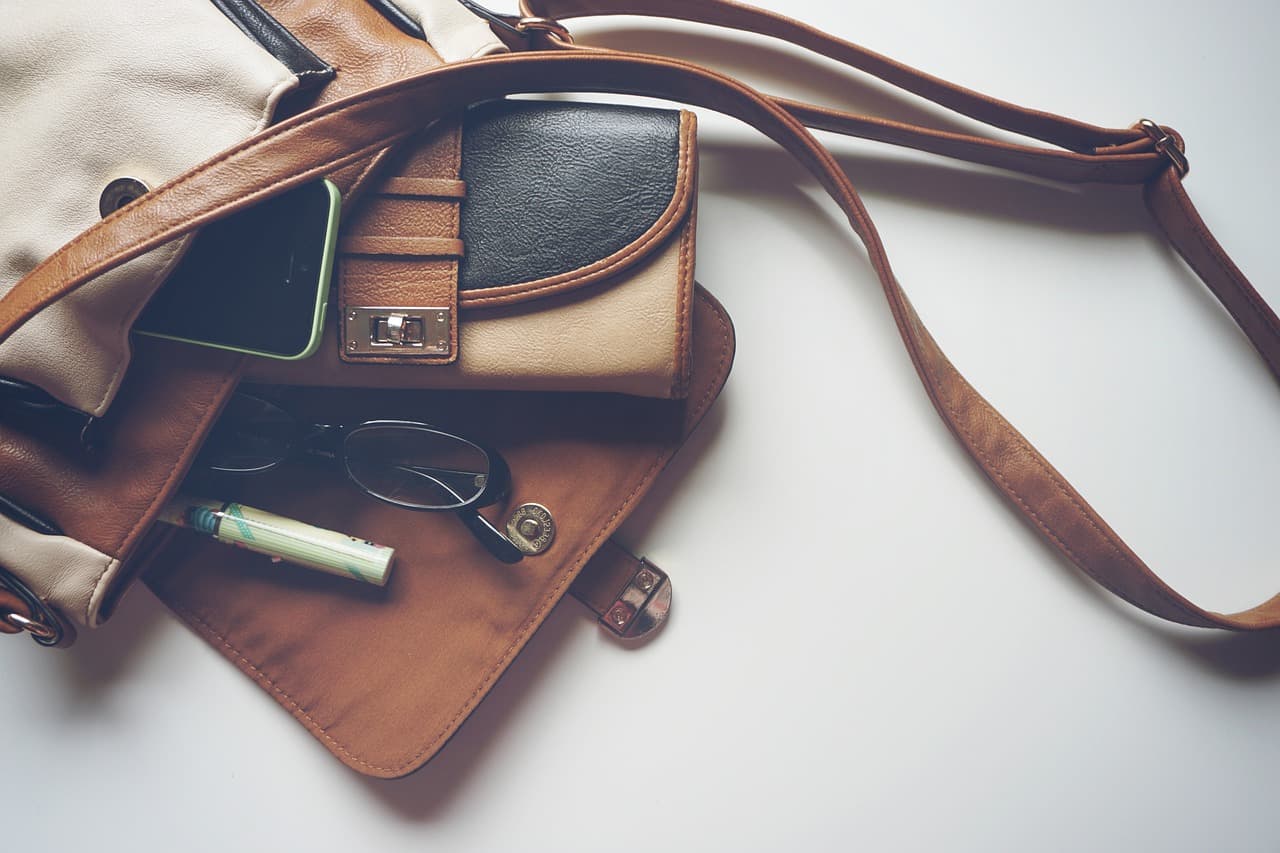
Vegan Leather, PU, and Quilted Nylon Handbag Care Guide: Cleaning & Storage
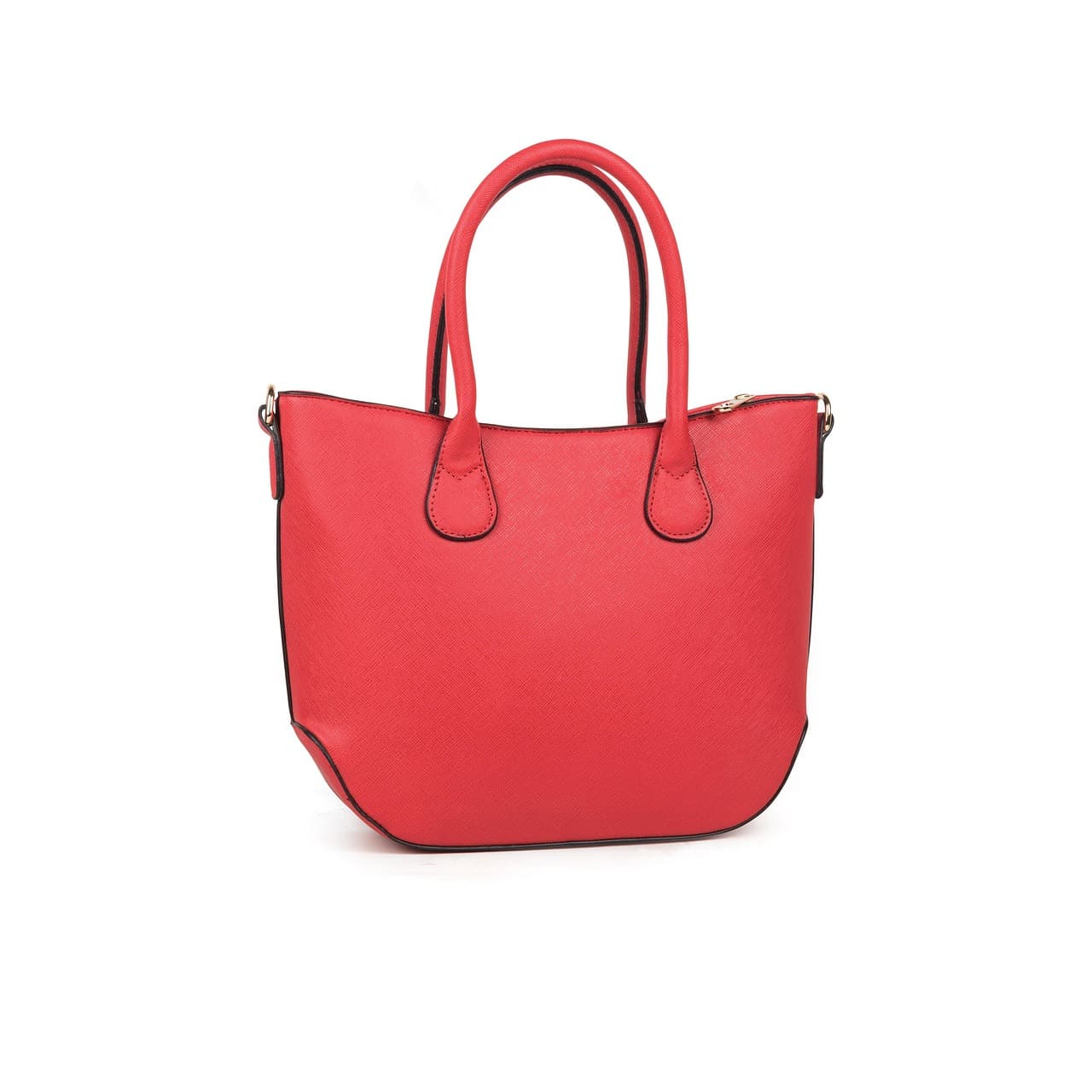
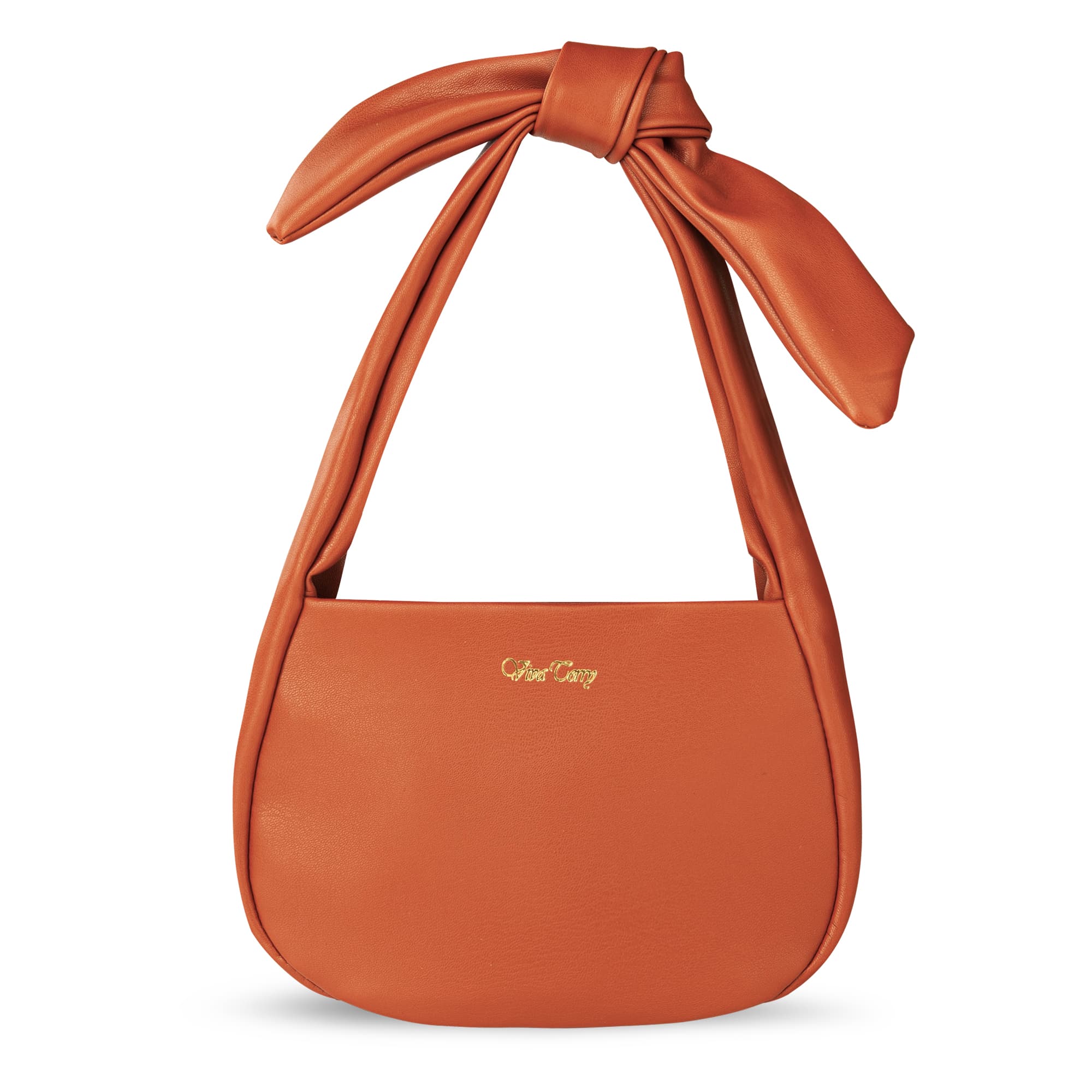
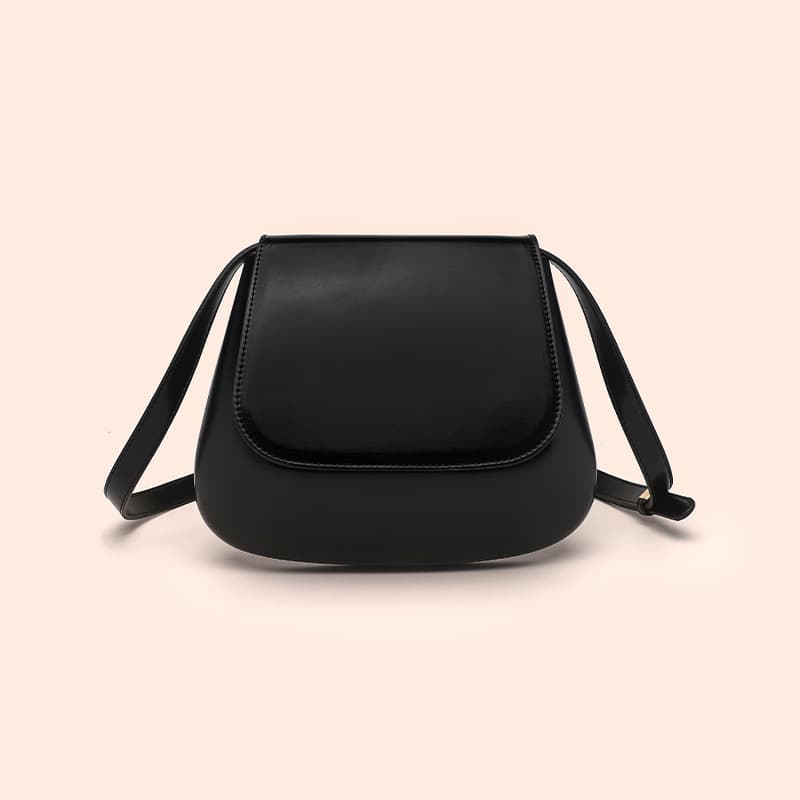
Modern polyurethane (PU) vegan leather and high-density quilted nylon have earned a permanent place in everyday wardrobes because they resist light rain, weigh noticeably less than thick saddle hides, and hold crisp architectural shapes. Yet synthetic coatings and technical weaves behave very differently from animal hide when exposed to alcohol wipes, dark raw denim, closet humidity, or direct car-dashboard heat.
Applying heavy oil-based saddle soaps meant for porous cowhide onto a sealed PU surface leaves a sticky residue that attracts street dust, while tossing a structured hobo bag flat under heavier totes creates permanent fold lines along the piping. A five-minute monthly care routine keeps hardware bright, linings fresh, and exterior panels smooth season after season.
Safe Surface Cleaning for Smooth and Pebbled PU Vegan Leather
Polyurethane exteriors feature a protective micro-topcoat engineered to repel water droplets. Because this finish is non-porous, gentle mechanical wiping removes ninety percent of commuter grime without harsh solvents.
Start by emptying all pockets and shaking crumbs free over a wastebasket. Wipe the exterior with a dry, lint-free microfiber cloth to lift loose dust before introducing moisture—rubbing wet cloth directly over dry grit can dull glossy or satin finishes.
Step-by-Step Mild Soap Spot Wash
When coffee splashes, sunscreen smudges, or subway scuffs appear, use a pH-neutral dilution rather than household degreasers:
- Mix two drops of mild, fragrance-free dish soap or baby shampoo into one cup of lukewarm water.
- Dip a clean white microfiber corner into the solution and wring thoroughly until barely damp—never soaking wet.
- Wipe gently in small circular motions without scrubbing seam edges aggressively.
- Follow immediately with a second cloth dampened with plain water to lift soap film, then buff completely dry with a soft towel.
Cleaners You Should Always Avoid on PU
Never use rubbing alcohol, hand-sanitizer wipes, acetone nail polish remover, bleach wipes, magic-eraser melamine sponges, or petroleum leather conditioners on vegan leather. Alcohol and acetone dissolve polymer topcoats, while melamine foam acts like ultra-fine sandpaper that strips protective sheen.
Preventing Dark Denim Crocking on Light Colorways
Cream, butter yellow, pastel lilac, and blush pink crossbody bags brighten dark outfits, but unwashed indigo jeans and brand-new dark-dyed trench coats can shed loose surface pigment—known in textile manufacturing as crocking—when a bag rubs repeatedly against your hip while walking.
Wash new dark denim inside-out two or three times before pairing it with light-colored crossbody straps. If faint blue transfer appears on the back panel of a light PU bag, address it the same evening with mild soap and lukewarm water before pigment migrates deeper into the polyurethane finish.
Refreshing Quilted Ripstop Nylon Totes and Backpacks
Quilted puffer totes and lightweight travel backpacks rely on tightly woven nylon shells paired with lofty synthetic batting inside stitched channels. Machine agitation and high dryer heat can clump interior batting and stress coated zipper tape, so hand spot-cleaning remains the gold standard.
Deodorizing Interior Linings Safely
If gym clothes or lunch containers leave lingering odors inside a nylon tote, pull the fabric lining outward if unattached, wipe with a lightly dampened cloth, and let it air-dry open in a shaded room with steady airflow. Once dry, placing a sealed breathable sachet of baking soda or activated charcoal inside overnight absorbs odors without dusting seams.
Polishing Hardware, Clasps, and Zippers Without Scratches
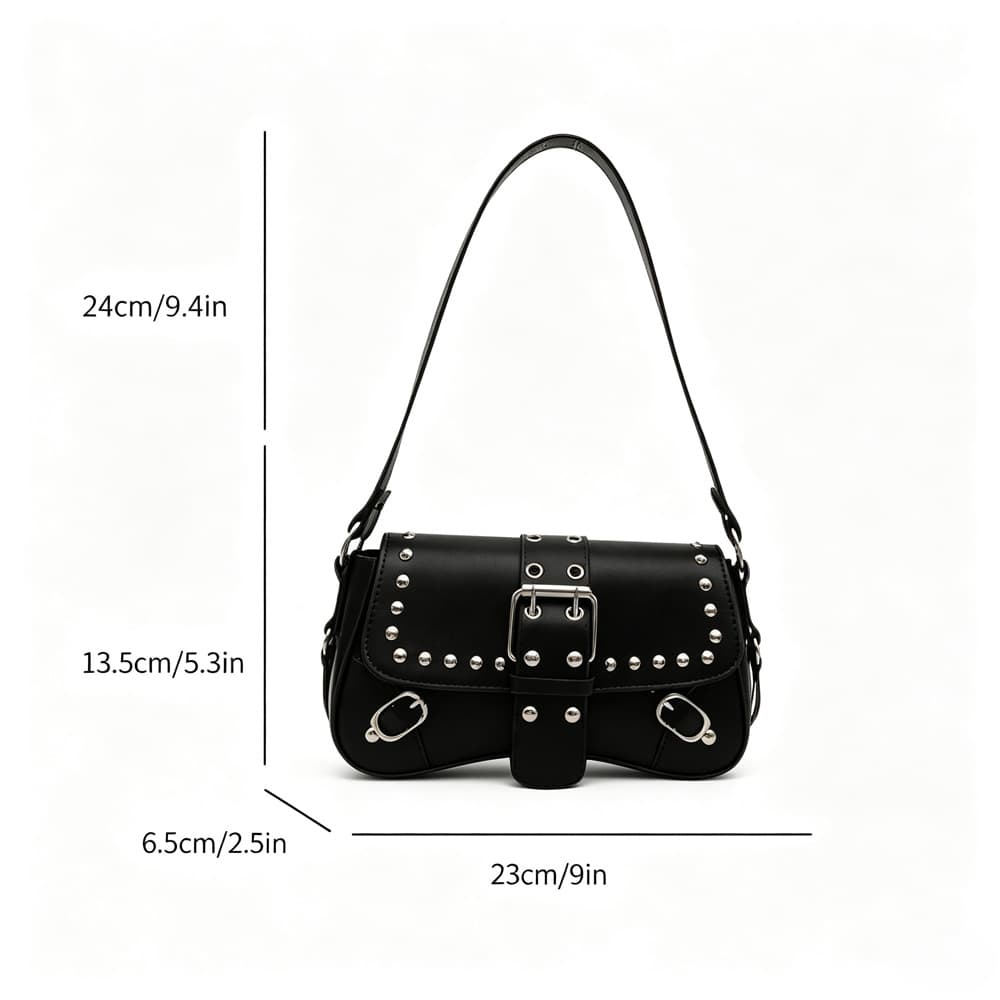
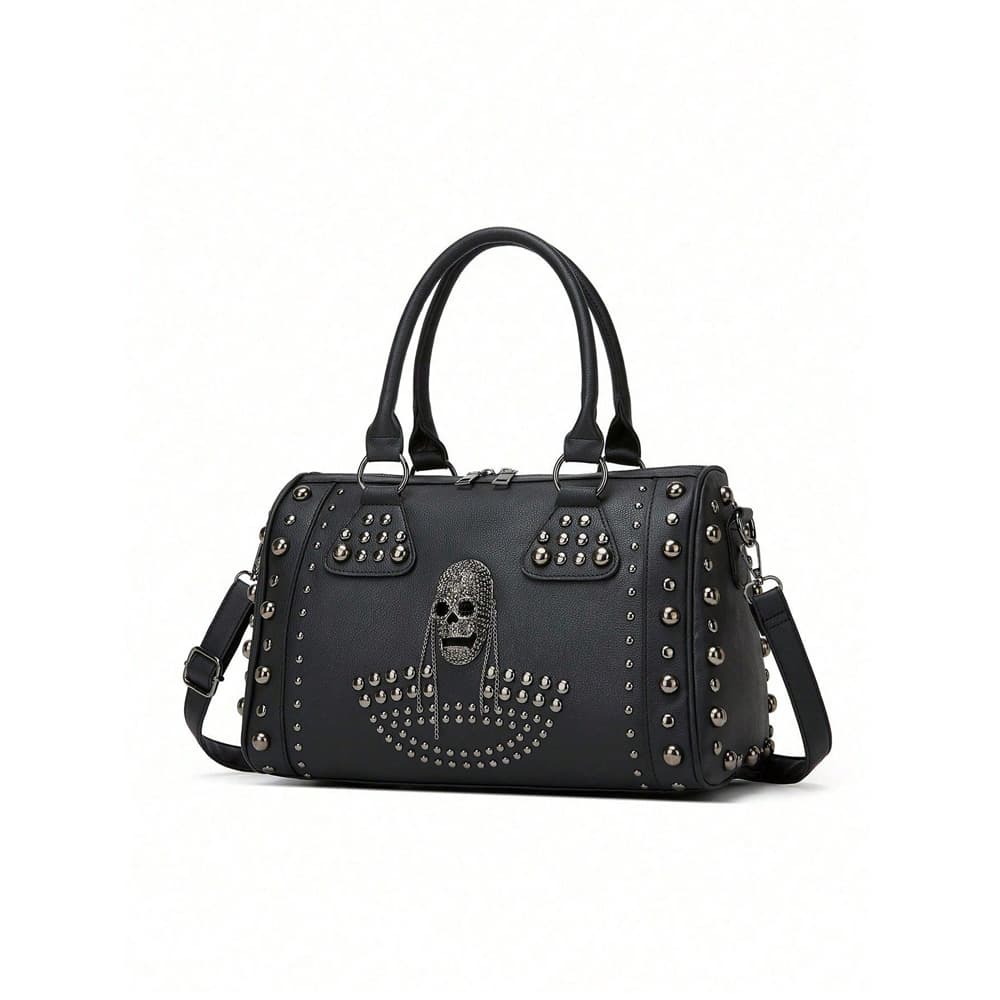
Brushed gold-tone D-rings, swivel lobster clasps, and coated metal zipper pulls encounter hand lotion, rainwater, and natural skin oils every single day. Left uncleaned for months, salt and moisture dull plated finishes and make zipper teeth feel gritty when opening your bag one-handed.
Buff clasps, magnetic snaps, and protective bottom feet once every two weeks using a dry eyeglass polishing cloth—never liquid brass or silver polish, which strips electroplated lacquer and stains surrounding stitching. If a metal zipper starts dragging stiffly along a curved top opening, rub a tiny touch of plain, colorless beeswax lip balm or a dry graphite pencil tip lightly along the closed teeth, then zip back and forth three times to restore smooth glide without staining fabric tape.
Smart Off-Season Storage: Airflow, Stuffing, and Strap Relief
How a handbag rests during the hours you are not carrying it determines whether its silhouette stays crisp or collapses inward. Avoid hanging heavy or mid-size bags by their shoulder straps on narrow wall hooks for weeks at a time; gravity stretches strap stitching and creates peaked indentations at the center apex.
Instead, stuff the interior loosely with acid-free white tissue paper or clean rolled cotton t-shirts—avoid newsprint, whose ink can transfer onto light linings. Fasten zippers and magnetic snaps so panels stay aligned, tuck chains or detachable clasps inside a small soft pouch so metal edges do not press into adjacent panels, and slip the bag into a breathable cotton dust bag.
Store handbags upright on a cool, dry interior closet shelf away from direct sunlight, steamy bathroom vents, and sealed airtight plastic bins. Moderate household airflow prevents trapped humidity, which is the primary culprit behind premature synthetic coating breakdown in damp climates.
Consistent Light Care Outperforms Heavy Restoration
You do not need specialty salon sprays to keep everyday vegan leather and quilted nylon bags looking sharp. Quick dry-dusting, prompt mild-soap spot cleaning, mindful pairing with brand-new dark denim, and upright stuffed shelf storage preserve structure and color vibrancy with minimal effort.
Have a specific question about the finish or lining on a Mountain Shop silhouette before ordering? Reach out to our US support team anytime—we are glad to help you match materials to your routine.