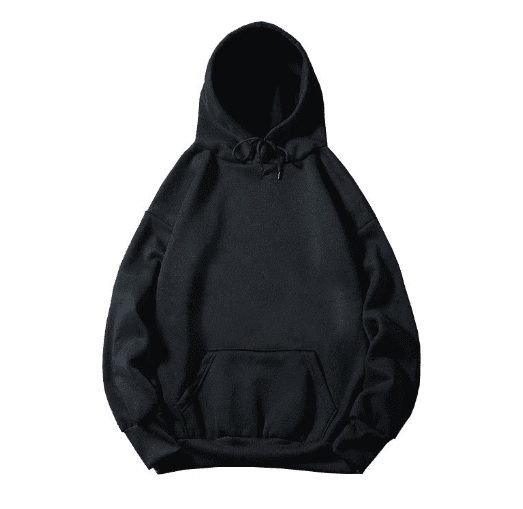
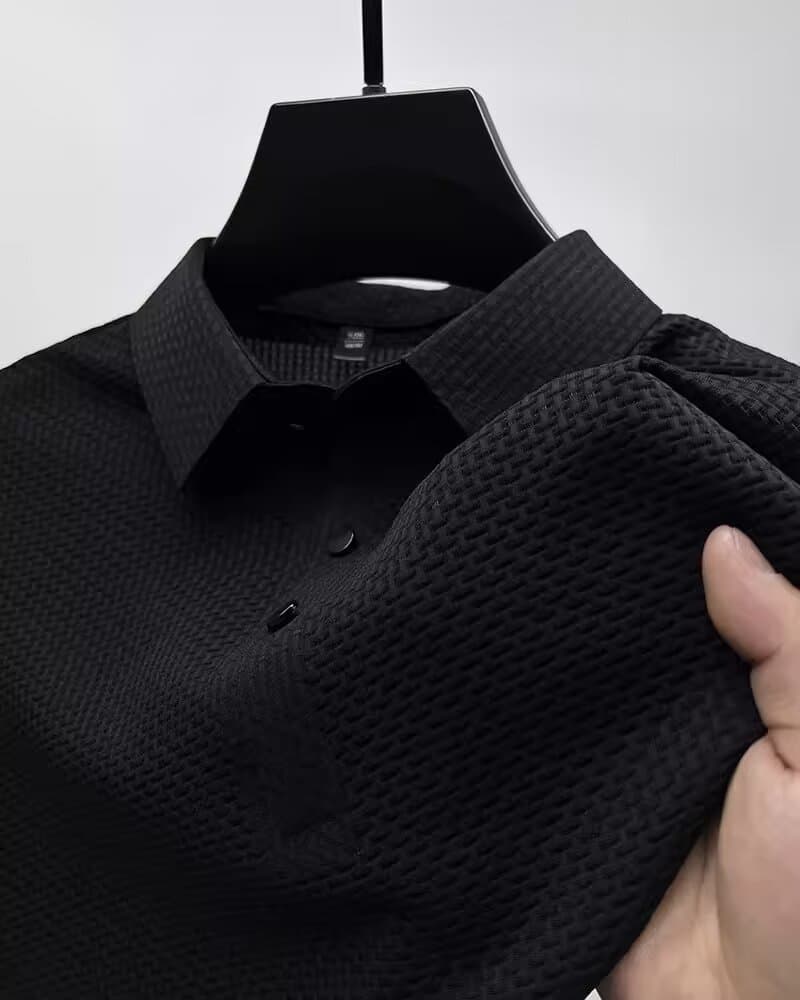
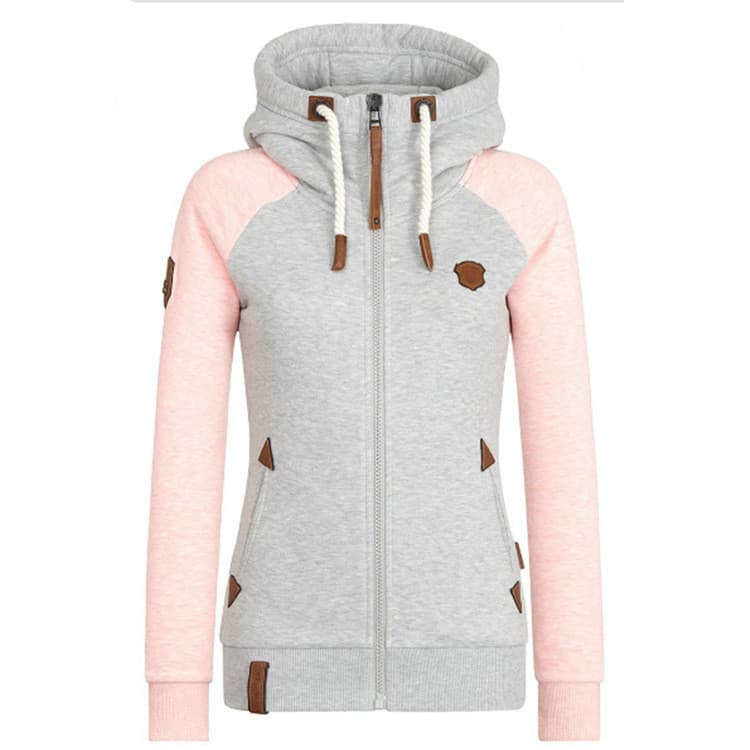
How to Wash and Care for Printed Hoodies and Graphic Tees So Artwork Stays Crisp
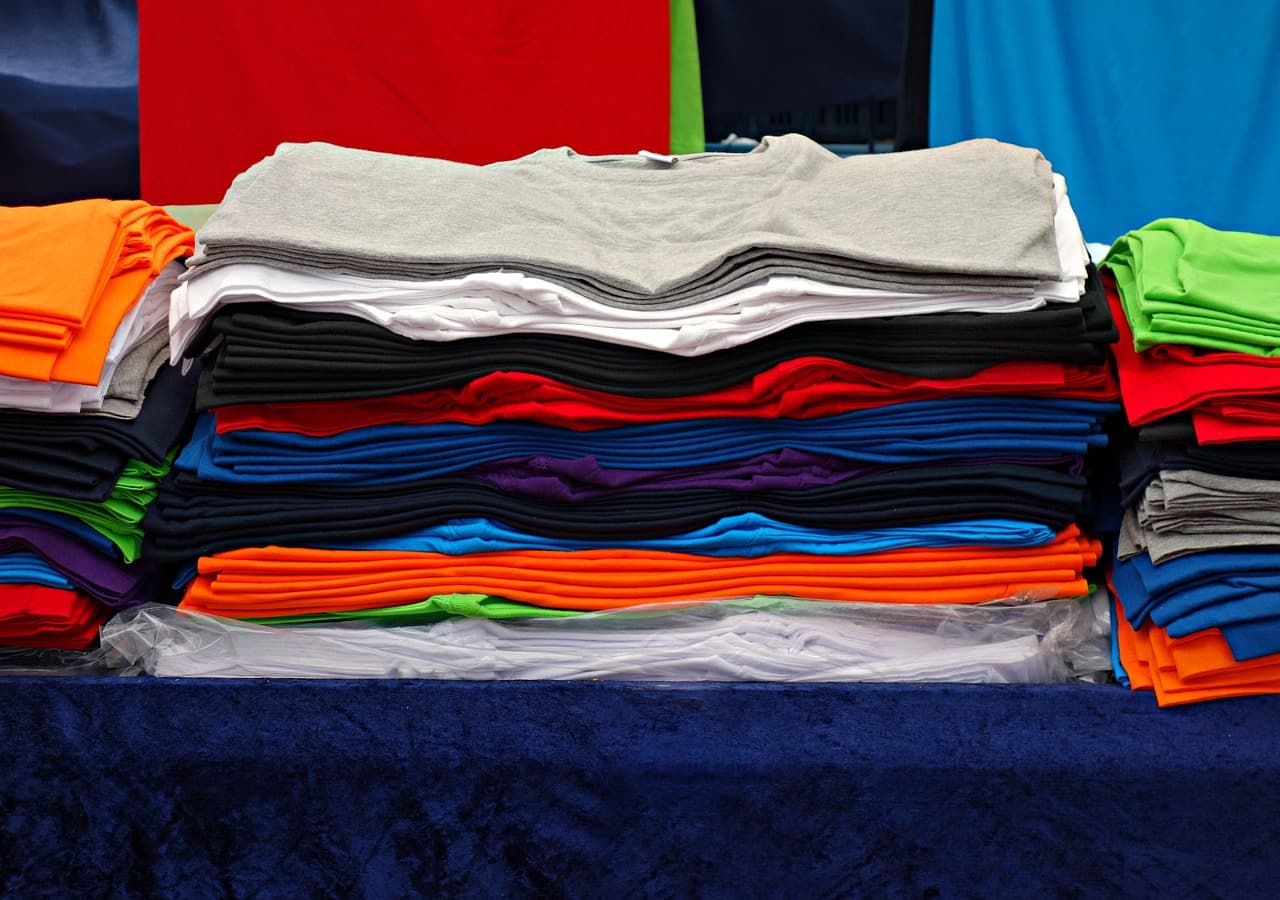
Nothing ruins a favorite graphic hoodie or heavyweight tee faster than pulling it out of a scorching hot dryer cycle to find fine spiderweb cracks across the chest artwork or a collar shrunk half a size tighter. Modern water-based direct-to-garment (DTG) and film-transfer inks bond directly to cotton yarns for a soft, breathable hand-feel—which means anything that stresses, abrades, or over-heats the underlying cotton fibers stresses the print right along with it.
Fortunately, preserving bold ink saturation and plush fleece interiors does not require dry cleaning or hand-washing in a sink. Adjusting five everyday laundry settings protects custom prints through dozens of wash cycles while saving household energy at the same time.
1. Turn Garments Inside-Out and Separate Exposed Metal Zippers
During a forty-minute wash cycle, wet garments tumble against each other hundreds of times. Leaving a printed graphic facing outward exposes cured ink directly to metal jeans rivets, brass jacket zippers, hook-and-loop tabs, and rough drum baffles.
Turning printed tees and hoodies inside-out before tossing them into the hamper shields the artwork inside the soft interior knit. Wash printed tops alongside other soft cottons and jersey knits rather than heavy raw denim or bath towels.
2. Wash Cold on Gentle Cycle With Mild, Bleach-Free Detergent
Hot wash water (above 85°F / 30°C) swells cotton fibers rapidly, relaxes elastane rib collars, and softens polymer ink binders simultaneously—making colors fade noticeably faster. Cold tap water on a gentle or permanent-press cycle cleans everyday sweat and street dust thoroughly while keeping both cotton shrinkage and pigment release near zero.
Why You Should Skip Liquid Fabric Softener & Chlorine Bleach
Two common laundry-room additives quietly shorten the life of printed activewear and fleece:
- Skip Liquid Fabric Softeners & Dryer Sheets: Waxy conditioning coatings can weaken the bond between cured textile ink and cotton yarn over repeated washes and flatten brushed hoodie fleece.
- Avoid Chlorine & Optical-Brightener Bleaches: Oxidizing agents strip dark garment dye and break down CMYK print pigments unevenly.
- Treat Food Spots Gently Before Washing: Dab—never scrub with a stiff bristle brush—a drop of mild liquid detergent onto grease or coffee spots on the blank fabric, let sit ten minutes, then wash inside-out in cold water.
3. Hang Dry in Shade or Tumble Dry Strictly on Low Heat
High-heat tumble drying is the single biggest cause of cracked chest graphics and shortened shirt length. When cotton shrinks abruptly by four percent under high exhaust heat, the cured ink layer on top cannot shrink at the exact same rate—forcing microscopic creases and cracks to form.
For maximum longevity, reshape your inside-out tee or hoodie gently while damp and drape it flat over a drying rack—or hang hoodies from wide, rounded plastic hangers rather than thin wire hangers that poke shoulder bumps. If you need a machine dryer, select the lowest heat or air-fluff setting and remove the garment while barely cool-dry rather than baking it for a full sixty-minute heavy cycle.
4. Never Touch a Hot Iron Soleplate Directly to Printed Artwork
Direct contact with a 350°F metal iron melts cured textile inks immediately and smudges pigment across surrounding fabric. To smooth travel wrinkles safely, use a handheld garment steamer from the inside of the shirt, or iron strictly inside-out on low cotton heat with a clean white cotton pressing cloth placed between the iron and the back of the print zone.
5. Fold Heavy Hoodies and Tees Properly to Prevent Neckline Stretch
Closet storage matters almost as much as wash temperature when keeping graphic knitwear looking sharp. Shoving a thick collar hanger down through the neck opening of a damp or heavy fleece hoodie stretches cotton-ribbing threads permanently—leaving a wavy, bacon-curled collar within a few months.
Whenever possible, fold heavyweight hoodies and graphic tees neatly on a shelf or inside a dresser drawer with a soft fold line placed between design elements rather than creasing sharply through heavy ink areas. If you prefer hanging tees in a closet, slide the hanger upward from the bottom hem rather than forcing it through the neckband, and use contoured velvet or wide tubular hangers that support shoulder seams evenly.
First-Arrival Unwashed Inspection Tip
Before peeling tags or running your first cold rinse on a new garment, check print centering, color clarity, and seam stitching in bright daylight so any rare transit or print issue can be resolved immediately under our 7-day replacement guarantee.
Running a quick cold rinse by itself or with like-colored cottons before your first full day of wear also removes any faint water-based curing press rectangle and relaxes folded shipping creases naturally.
Low Heat and Inside-Out Care Keep Graphics Fresh for Years
Cold water, inside-out tumbling away from rough zippers, mild bleach-free detergent, and shade air-drying take zero extra time on laundry day—yet they dramatically extend both print sharpness and fleece softness.
Remember to inspect any brand-new POD hoodie or tee before its first wash when your parcel arrives: if you ever spot a factory print flaw or transit damage, our support team provides a free replacement or full USD refund within 7 days of delivery.